Nurra AI (Gold Winner)
AI-powered screen-free learning companion
00

problem
Many parents struggle to find early learning tools that engage young children without adding to screen time. Most educational apps rely on passive screen watching, leaving kids disconnected from active learning, while parents lack tools that adapt to their child's pace and keep them meaningfully involved. This gap leaves families caught between limiting screen use and finding something that actually fosters curiosity and connection.
solution
Nurra AI addresses these problems with a voice-first, adaptive learning companion that encourages playful interaction without screens. It offers a range of features, including engaging interactions, adaptive learning, parental involvement and playful design system fostering curiosity, meaningful interaction, and a stronger connection between children and their parents. This all while reducing screen time and making early learning playful and personalized.
Awarded Gold at the French Design Awards (2025) for Conceptual Design in Education
Best AI Education - Gold Winner, International AI Awards 2026
Approach
Through informal conversations with parents and educators, I identified recurring frustrations around screen time, passive engagement, and the lack of personalized, voice-first alternatives. Based on these insights, I designed Nurra AI as a voice-first, adaptive learning companion: a mobile app for parents to manage and track learning, paired with a physical robot concept designed as the child-facing interaction point by reducing screen dependency by moving the interaction off a screen entirely.
I shared mockups and the robot concept with a small group of parents and educators for early feedback, which shaped refinements to the interaction model and visual design system before finalizing the concept.
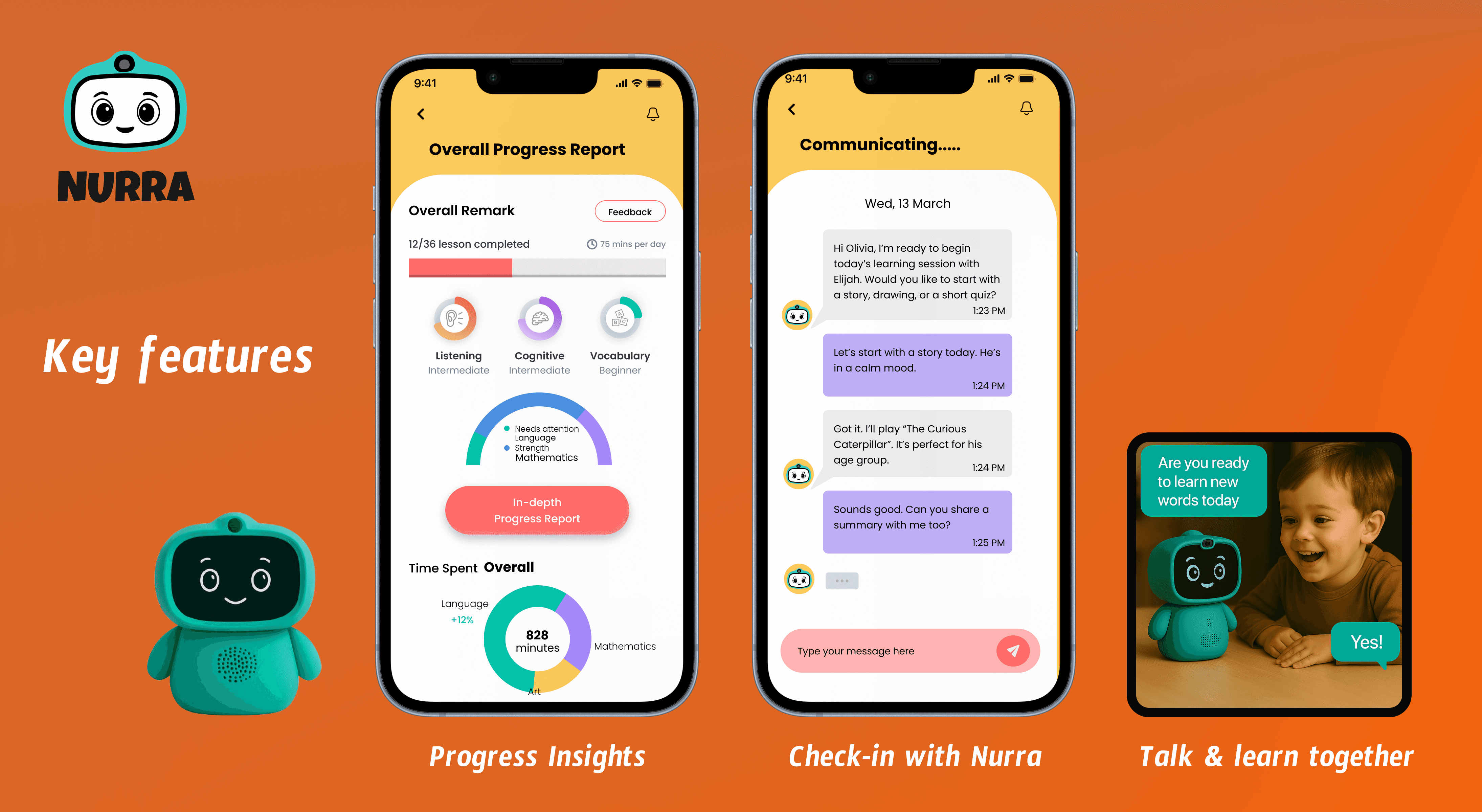
What I designed
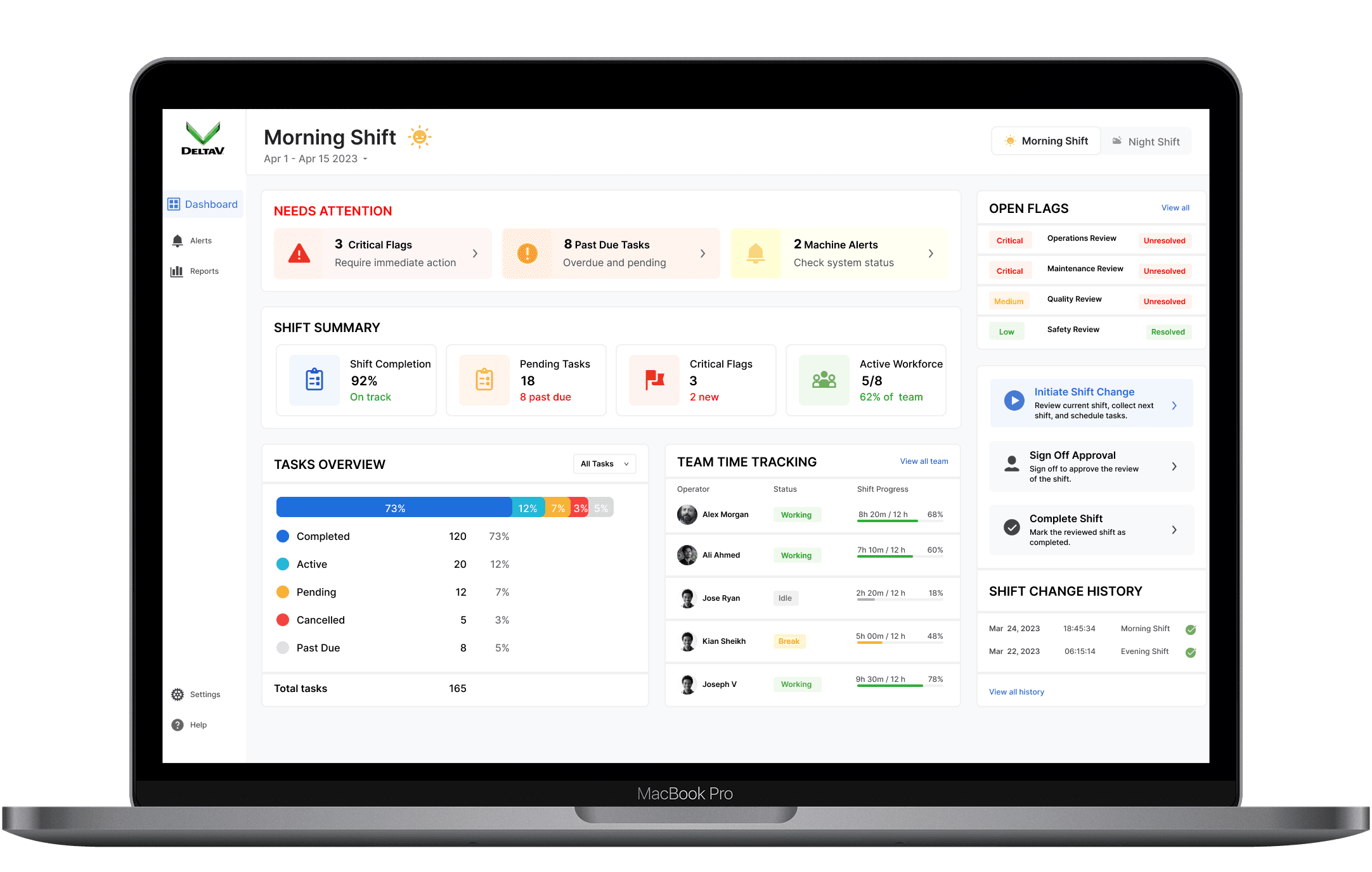
Mobile app UI: parent-facing controls, progress tracking, and personalization settings
Physical robot industrial design concept: the child-facing companion, designed to replace screen interaction with voice and physical presence
Visual design system and branding: supporting a playful, trustworthy tone for both surfaces
Tools & Methods Used
User Interviews with parents & educators to uncover engagement barriers.
Thematic analysis to decode recurring learning frustrations.
Storyboarding to map child-parent interactions throughout daily play.
Branding and visual design systems to support joyful interaction.
Status
This is currently a concept-stage project. The mobile app and robot exist as designed concepts, not a built or manufactured product. Early feedback from parents and educators validated the core direction by reducing screen time without reducing engagement and would inform next steps if developed further.
year
2025
timeline
6 weeks
tools
Figma, Canva
category
AI in Education (EdTech)
01

02

03

04